
Walk through almost any pharmacy and you’ll find shelves filled with probiotics promising better digestion and a healthier gut. As interest in the gut microbiome has grown, so has the probiotic aisle — but do most people actually need to take one?
The scientific answer is more complicated than the advertising suggests. For many otherwise healthy people, one of the most practical ways to support digestive health doesn’t come from a supplement bottle at all. It starts with what we eat — particularly dietary fiber and a varied, plant-rich diet.
What Is the Gut Microbiome?
Our digestive tract is home to a vast community of bacteria and other microorganisms known as the gut microbiome. These microorganisms interact with the food we eat and with our digestive, metabolic, and immune systems. Researchers are actively studying how the microbiome relates to conditions ranging from gastrointestinal disorders to metabolic disease.
This is an exciting area of medicine, but it’s also important to separate established science from emerging research. We still don’t have a single definition of the “perfect” microbiome, and a microbiome test generally can’t tell an otherwise healthy person exactly which foods or supplements to take.
What Exactly Is a Probiotic?
Probiotics are live microorganisms intended to provide a health benefit when consumed in adequate amounts. Some occur naturally in fermented foods, while others are manufactured and sold as dietary supplements.
An important point often gets lost in the conversation: “probiotic” is not one single treatment. Different products contain different organisms, strains, combinations, and doses. Evidence supporting one particular strain for one particular condition can’t automatically be applied to every probiotic on the shelf — which helps explain why research on probiotics can seem contradictory.
Do Probiotics Actually Work?
For certain specific clinical situations, particular probiotic preparations have shown potential benefit. But evidence supporting routine probiotic supplementation for many common gastrointestinal conditions remains limited or inconsistent.
The American Gastroenterological Association has concluded that there is insufficient evidence to recommend probiotics routinely for many digestive disorders, and emphasizes that probiotic effects are strain-specific and condition-specific.
That doesn’t mean all probiotics are ineffective — it means a bottle labeled “probiotic” shouldn’t automatically be assumed to improve everyone’s digestive health. For patients with gastrointestinal symptoms or medical conditions, the more useful question is: is there evidence that this particular probiotic, with these particular organisms and strains, helps people with my particular condition? That’s a very different question from simply asking whether probiotics are “good for the gut.”
Don’t Overlook What Your Existing Gut Bacteria Eat
Instead of focusing exclusively on adding bacteria through supplements, researchers are increasingly interested in something more fundamental: feeding the microorganisms already living in the intestine. This is where dietary fiber becomes important.
Many fibers reach the colon without being fully digested in the small intestine. Certain intestinal bacteria ferment these carbohydrates and produce metabolites — including short-chain fatty acids — that participate in intestinal physiology. Clinical studies have shown that changing fiber intake can alter aspects of the gut microbiome, though individual responses vary considerably and scientists are still working out how specific fibers, foods, and microbial changes translate into long-term health outcomes.
In short, the evidence supports eating adequate fiber for health — but not extravagant claims that fiber can “reset,” “detoxify,” or completely “rebuild” the microbiome.
Food First: Practical Ways to Increase Dietary Fiber
For many people, fiber is best obtained through a varied diet rather than by concentrating on a single “superfood.” Useful sources include:
- Vegetables and fruits
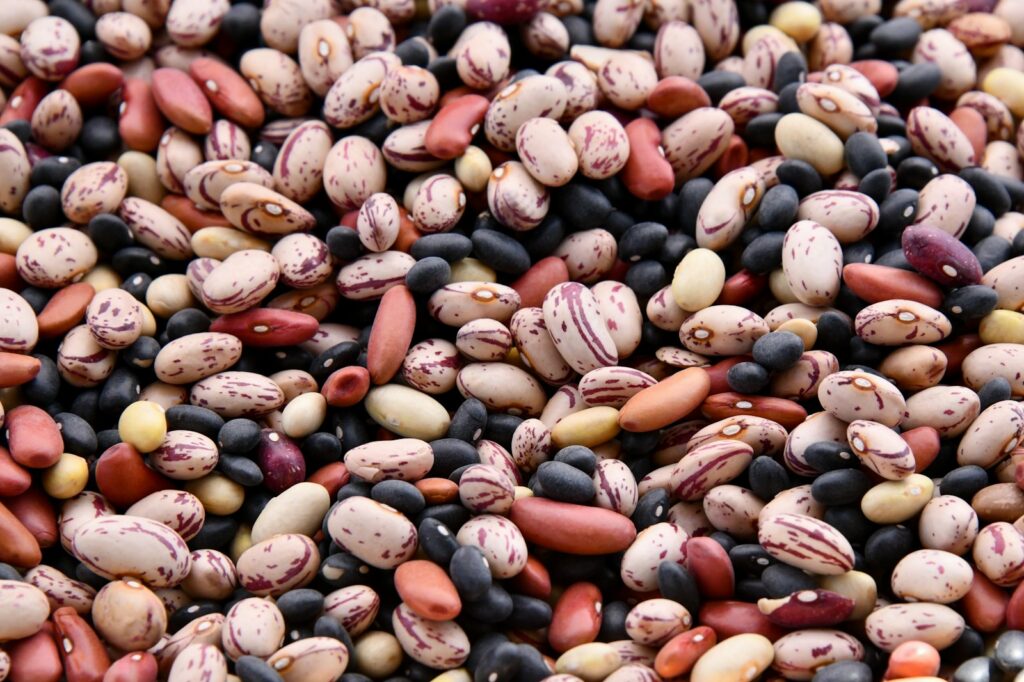
- Beans, lentils, chickpeas, and other legumes
- Whole grains such as oats, barley, and whole wheat
- Nuts and seeds
- Other minimally processed plant foods
Different plants contain different types of fiber and other nutrients, so variety may be more sensible than repeatedly eating one food simply because it’s been promoted as a microbiome booster. Fiber’s benefits also extend beyond microbiome research — adequate dietary fiber is an established part of healthy dietary patterns and can help support normal bowel function.
More Fiber Isn’t Always Better
There’s an important qualification here, especially for people who already have gastrointestinal symptoms. Rapidly increasing fiber can cause gas, bloating, abdominal discomfort, and changes in bowel habits. Certain fermentable carbohydrates can aggravate symptoms in some patients with irritable bowel syndrome, and some gastrointestinal conditions may call for individualized dietary recommendations.
Someone with significant abdominal pain, persistent bloating, chronic diarrhea or constipation, inflammatory bowel disease, a history of intestinal narrowing or obstruction, or previous gastrointestinal surgery shouldn’t assume that dramatically increasing fiber is automatically appropriate. Dietary changes should be tailored to your underlying condition.
What About Fermented Foods?
Foods such as yogurt and kefir can be part of a healthy diet and may contain live microorganisms; other fermented foods may contain microorganisms or fermentation byproducts as well. But a fermented food shouldn’t automatically be considered equivalent to a clinically studied probiotic — whether a product contains live organisms, and which organisms survive processing, storage, and digestion, varies substantially.
Enjoy fermented foods if they agree with you, but there’s no need to treat them as medicine.
Should You Buy a Microbiome Test?
Commercial microbiome testing is another rapidly growing field. These tests can identify many organisms present in a stool sample, but our ability to convert that information into reliable, individualized medical treatment is still developing. Finding that someone has “more” or “less” of a particular bacterium doesn’t necessarily mean that bacterium is causing symptoms or disease.
For most patients with gastrointestinal complaints, a careful medical history and established diagnostic testing remain far more clinically useful than chasing a particular microbiome score.
The Bottom Line
The gut microbiome is an important and rapidly developing field of medicine, but the science is more nuanced than many advertisements suggest. For most otherwise healthy people, a sensible approach to digestive health remains remarkably familiar:
- Eat a varied diet with adequate fiber
- Include a broad range of plant foods when tolerated
- Exercise regularly
- Avoid unnecessary medications — particularly antibiotics — when they aren’t medically indicated
Probiotics may have a role in selected circumstances, but they shouldn’t be viewed as a universal requirement for a healthy digestive system. And if persistent gastrointestinal symptoms are the reason you’re reaching for probiotics, fiber supplements, or restrictive diets, consider discussing them with a healthcare professional rather than repeatedly treating them on your own — persistent symptoms sometimes have an underlying cause that deserves evaluation.
A Note From Our Practice
Nutrition is not one-size-fits-all. What helps one patient’s constipation, bloating, or bowel regularity may worsen another patient’s symptoms. Our goal is to identify the cause of gastrointestinal symptoms and develop an evidence-based approach appropriate for each individual.
If you’re dealing with persistent digestive symptoms, our team at Colon Liver Gastro Consultants can help you get to the root cause. Schedule a consultation with one of our gastroenterologists to discuss a personalized, evidence-based plan for your digestive health.
This article is intended for general educational purposes and does not substitute for individualized medical advice, diagnosis, or treatment.